Guide · Safety

Gay travel safety: a practical guide

Staying safe as a gay traveller mostly comes down to three habits: check the law and the official advice before you book, protect your phone at the border, and read the room before showing affection in public.

None of this is a reason to stay home. In Booking.com's 2026 survey of 13,331 LGBTQ+ travellers in 19 countries, 82% had at least one good experience on a trip linked to their identity, and 58% at least one bad one. The habits below are what experienced travellers already do.

Our guide, updated 17 Oct 2026 · dates checked against each organiser, last 17 Oct 2026
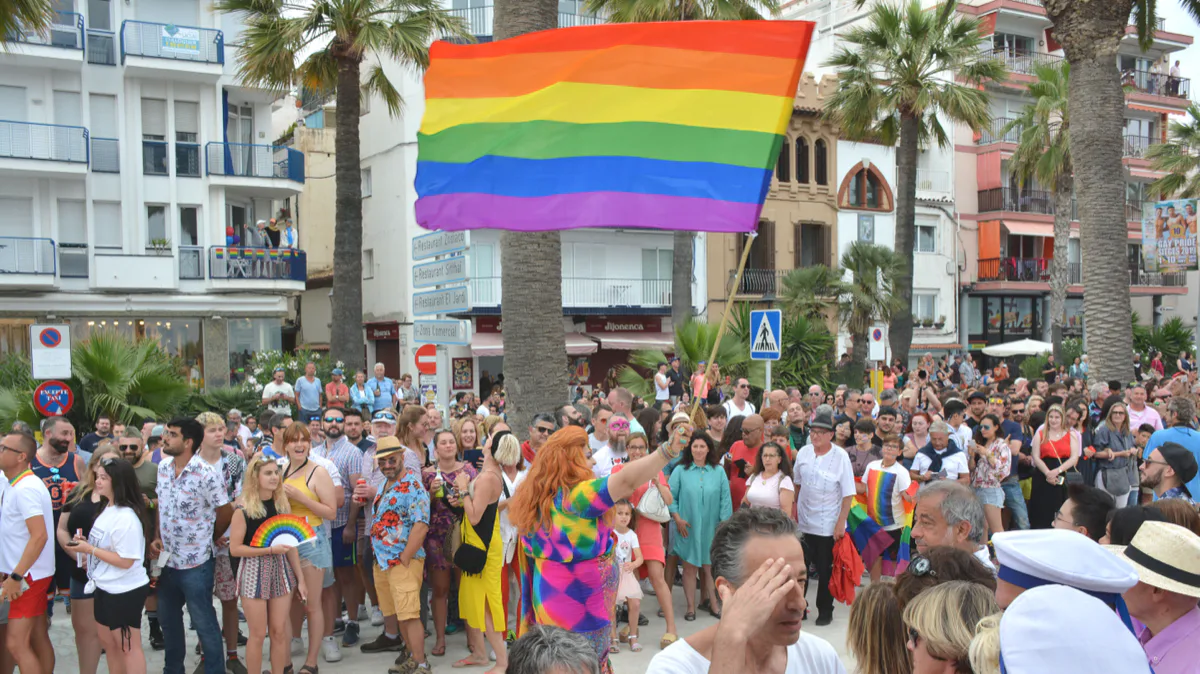
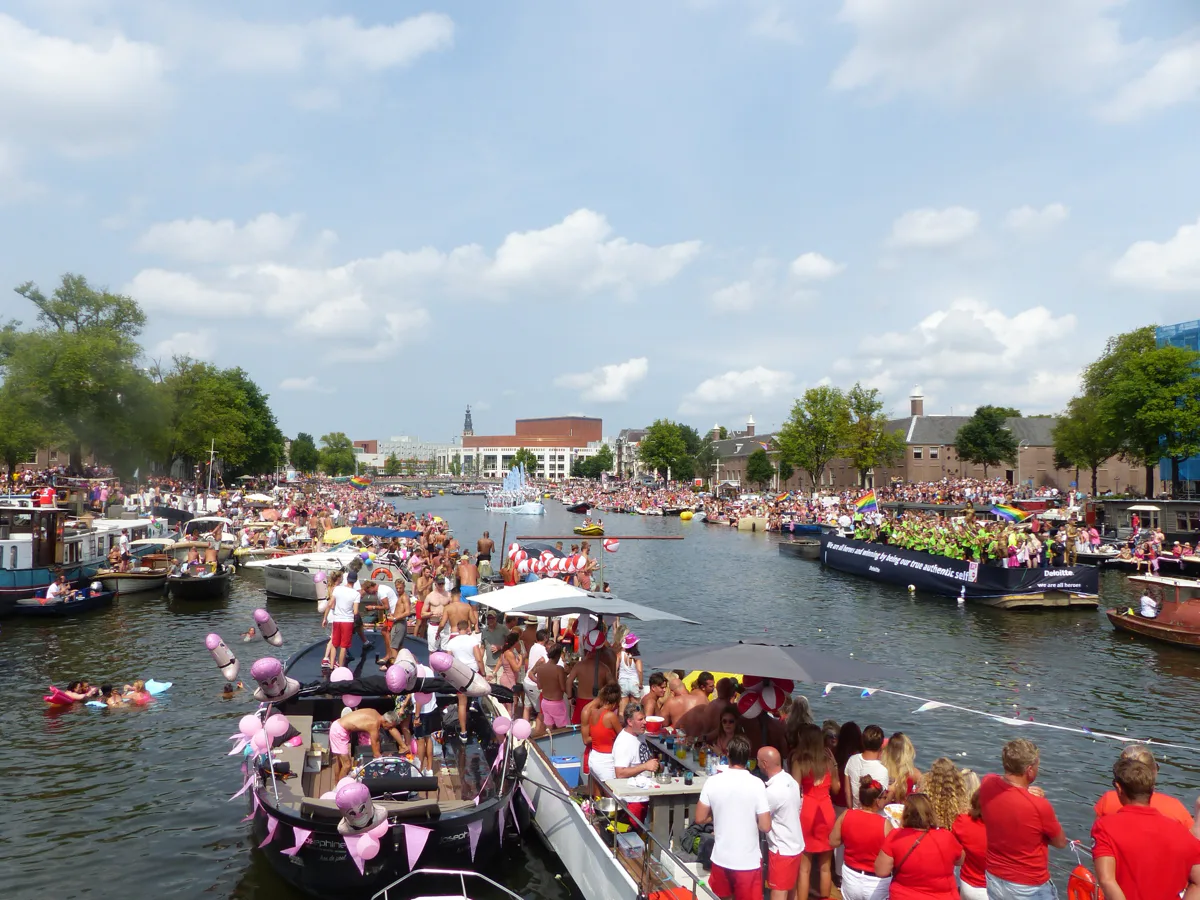
Photo by Ludovic Bertron / Wikimedia Commons (CC BY 2.0)
Where to start

Prides in the countries rated most accepting

ITB Berlin's 2026 survey rated social acceptance highest in Canada, the Netherlands, Spain and Austria. Their big city Prides make an easy first trip.

Pride · Netherlands

Amsterdam Pride

Amsterdam, Netherlands

Where
Amsterdam, Netherlands
When
31 July – 8 August 2027

Pride · Spain

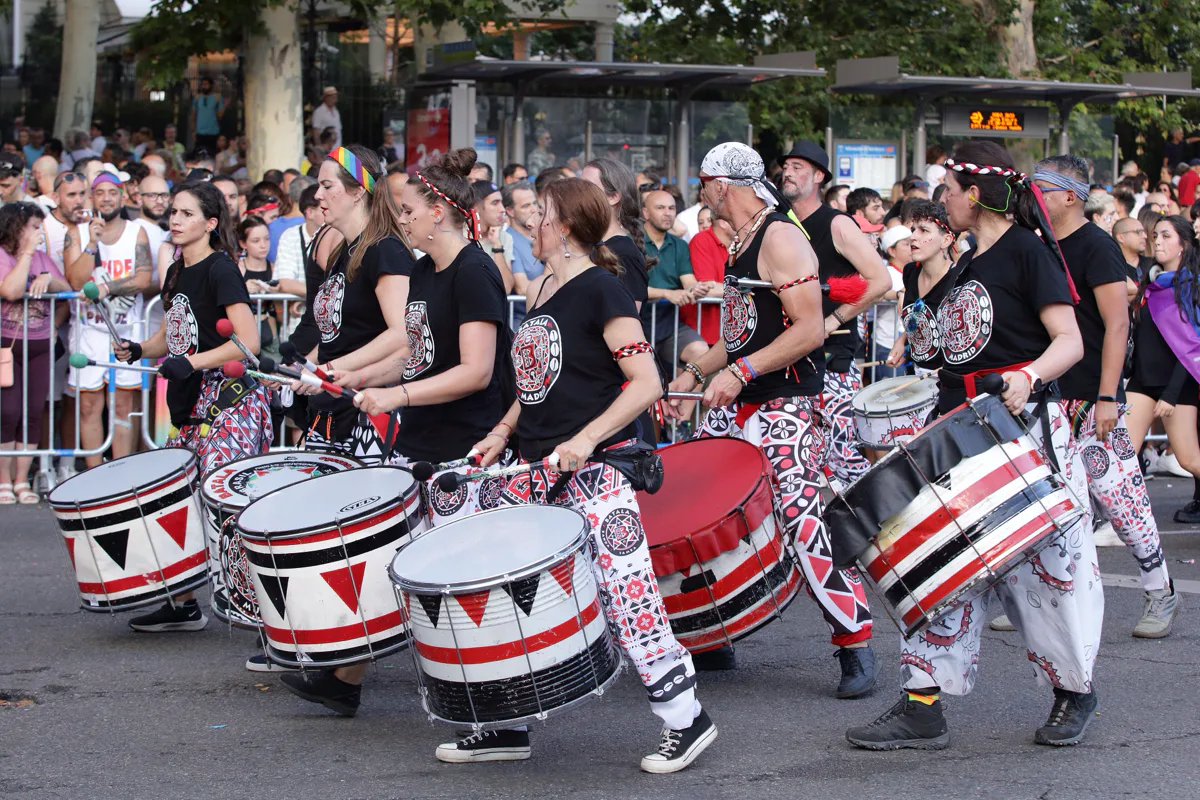
Madrid Pride

Madrid, Spain

Where
Madrid, Spain
When
Usually early July

Pride · Canada

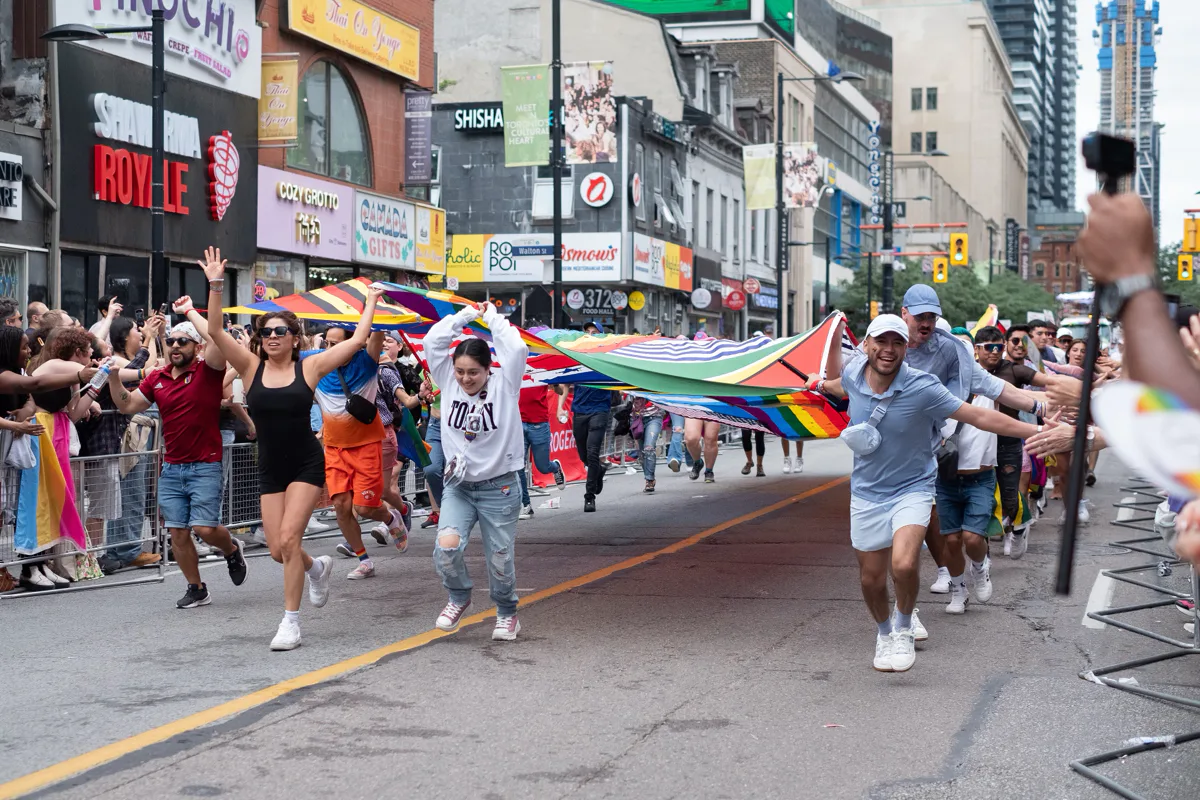
Toronto Pride

Toronto, Canada

Where
Toronto, Canada
When
Usually late June

Photos: Elekes Andor / Wikimedia Commons, Javier Perez Montes / Wikimedia Commons, Samantha Hare / Wikimedia Commons.

The facts

What LGBTQ+ travellers report

  • 58% had at least one negative experience linked to their gender or sexual identity on a trip in the past year; 82% had at least one positive one. Booking.com, 13,331 respondents, surveyed February–March 2026. Booking.com Travel Proud Research 2026 →
  • The most common bad experience: feeling they had to change how they behaved, such as not holding hands (18%). Booking.com, 2026 →
  • 48% check their surroundings before showing affection, and 44% take more precautions than they did a few years ago. Booking.com, 2026 →
  • 25% share their live location with someone they trust, 19% use a VPN, 18% carry a second phone and 17% delete dating apps before crossing a border. Booking.com, 2026 →
  • ITB Berlin's 2026 survey of 69 travel experts and travellers found that safety depends on more than the law: social acceptance and regional differences matter as much. It rated Canada, the Netherlands, Spain and Austria highly, and recorded a sharp drop in perceived acceptance in the United States. ITB says its findings are not a ranking. ITB Berlin LGBTQ+ Travel Safety Survey 2026 →
Our advice

Before you go

  • Check the law where you're going: whether same-sex relationships are legal, and whether your marriage is recognised. ILGA World Database →
  • Read the official travel advice. The UK FCDO's country pages have an LGBT+ section, and its general guide covers the rest. FCDO LGBT+ travel advice →
  • Research the town, not just the country. Big cities and resort towns are often far more relaxed than the countryside.
  • Check your hotel welcomes same-sex couples before you pay. The FCDO notes some, especially in rural areas, may refuse bookings from them. FCDO →
  • Travelling with PrEP, HIV medication or hormones? Check the rules for bringing them in, and keep them in their original packaging.
  • Leave your plans with someone at home, and save your embassy's emergency number in your phone.
  • Meeting someone from an app? Pick a public place and tell a friend. The FCDO warns that in some countries entrapment campaigns use dating apps. FCDO →
Our advice

Your phone, dating apps and the border

Before the border

Where you're unsure how border officers treat LGBTQ+ people, log out of or delete dating apps; you can reinstall them once you're through. A cheap second phone with only the essentials keeps your photos and messages at home.

Once you're there

Turn off "show distance" on dating apps where being gay isn't safe, and meet new people somewhere public. Use a VPN where LGBTQ+ sites are blocked, if VPNs are allowed. Share your live location with one person you trust, then switch it off.

Our advice. How many travellers already do each of these is in the survey figures above.

Our view

Holding hands in public

There's no single rule. In Sitges or Amsterdam no one will look twice; in a small town in the same country they might. The FCDO's advice is that even in LGBT+ friendly countries, stigma and violence can happen, so take the precautions you'd take at home.

A practical approach: watch what local couples do, gay and straight, and follow their lead. Keep affection for the places where you can see it's normal, such as the gay area, the hotel and the beach bar, and save the rest for later. That isn't hiding; it's choosing when.

Our advice

If something goes wrong

  • Move away to somewhere safe first. Deal with the rest after.
  • Call your embassy or consulate. The FCDO says its staff won't judge or make assumptions, and records how British nationals are treated by local authorities. FCDO →
  • Report it to the police only where you're confident it's safe to do so. Local LGBTQ+ groups can often tell you whether it is.
  • Tell your travel insurer early, and keep receipts and a written note of what happened.
By country

One event in each country we've checked

Each country page below lists the law, the official advice and every event we track there.
Mexico

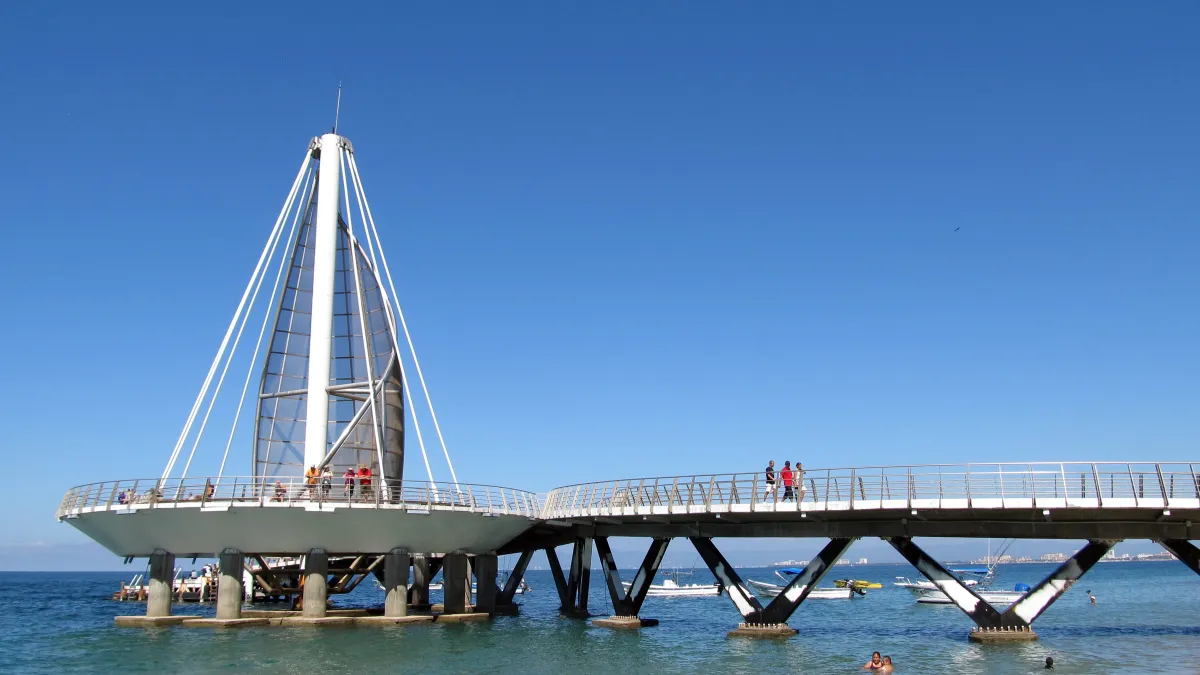
Vallarta Pride

Puerto Vallarta, Mexico

Where
Puerto Vallarta, Mexico
When
Usually late May

United States

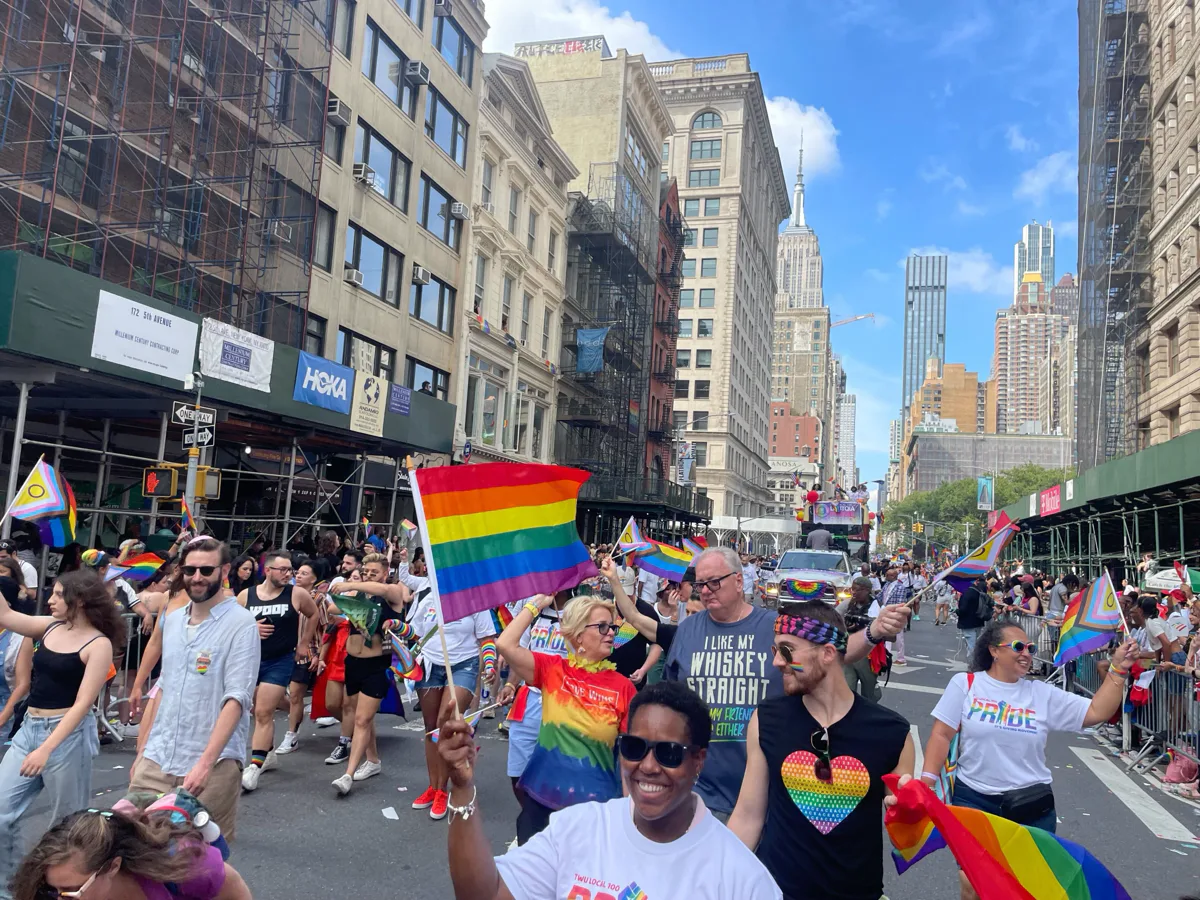
NYC Pride

New York City, United States

Where
New York City, United States
When
Usually late June

Spain

Sitges Pride

Sitges, Spain

Where
Sitges, Spain
When
9–13 June 2027

Greece

XLSIOR Mykonos

Mykonos, Greece

Where
Mykonos, Greece
When
Usually late August

Photos: Chainwit. / Wikimedia Commons, daryl_mitchell / Wikimedia Commons, MTAPhotos / Wikimedia Commons, Mike McBey / Wikimedia Commons, Cassie Gallegos / Unsplash.

Country guides

Is it safe? The law and the official advice, country by country

Quick answers

Questions people ask

How common are bad experiences for LGBTQ+ travellers?

Common enough to plan for. In Booking.com's 2026 survey of 13,331 LGBTQ+ travellers, 58% had at least one negative experience linked to their identity on a trip in the past year, most often feeling they had to change how they behaved. 82% had at least one positive one.

Should I delete dating apps before crossing a border?

Where you're unsure how border officers treat LGBTQ+ people, logging out or deleting them is a simple precaution, and you can reinstall afterwards. 17% of travellers in Booking.com's 2026 survey do this.

Do I need a VPN as a gay traveller?

Only where LGBTQ+ sites or apps are blocked, or you're on public WiFi you don't trust. 19% of travellers in Booking.com's 2026 survey use one. Check first that VPNs are legal where you're going.

Where can I check if being gay is legal in a country?

ILGA World's database lists the law country by country, with dates. For practical advice, read the LGBT+ section of the UK FCDO's travel advice for that country.

Is it safe to hold hands abroad?

It depends more on the town than the country. Follow what local couples do, and keep affection for places where you can see it's normal. 48% of LGBTQ+ travellers check their surroundings first, according to Booking.com's 2026 survey.

Photo: Ludovic Bertron / Wikimedia Commons (CC BY 2.0). Guide text is our own opinion, not sponsored. Dates, prices and inclusions come from each operator's own site.